Reheating a cooked meat dish may seem simple, but there is always the risk that it becomes dry or loses its original flavor. To avoid this, various tips and tricks can be employed. These are tried-and-true methods that ensure the meat retains its tenderness and flavor, even after being reheated. You should note that these tips may vary depending on the type of meat in question. Whether you need to reheat a beef roast, a roasted chicken, or pork slices, there is a suitable method for you.
Common Mistakes to Avoid When Reheating Cooked Meat
Before diving into the method for reheating a beef roast, it is crucial to take the time to discuss the common mistakes that many make when trying to reheat their meat. Often, these mistakes can turn a delicious piece of beef into a dried-out and unappetizing meal.
The number one mistake that occurs during reheating is using too high heat. It can be tempting to speed up the process by increasing the temperature, but this usually only dries out your precious roast. The secret to keeping it juicy is to go slow and steady.
Another frequent mistake is neglecting the protective wrapping during the heating process. Properly wrapping the roast not only helps retain moisture but also ensures that heat is evenly distributed throughout the piece.
You should also avoid microwave cooking at all costs. This quick technique may seem appealing, especially when you’re pressed for time; however, it tends to make your meat rubbery or even completely tough if you’re not careful with the microwave settings.
Last notable mistake: cutting immediately after reheating; this practice allows the juices from the roast to escape onto your plate instead of remaining in the piece of meat.
Now that we have reviewed some mistakes to avoid, it’s time to discuss the method for reheating a beef roast. There is nothing complicated about it, but a few tips can help you achieve meat as tender and flavorful as it was originally.
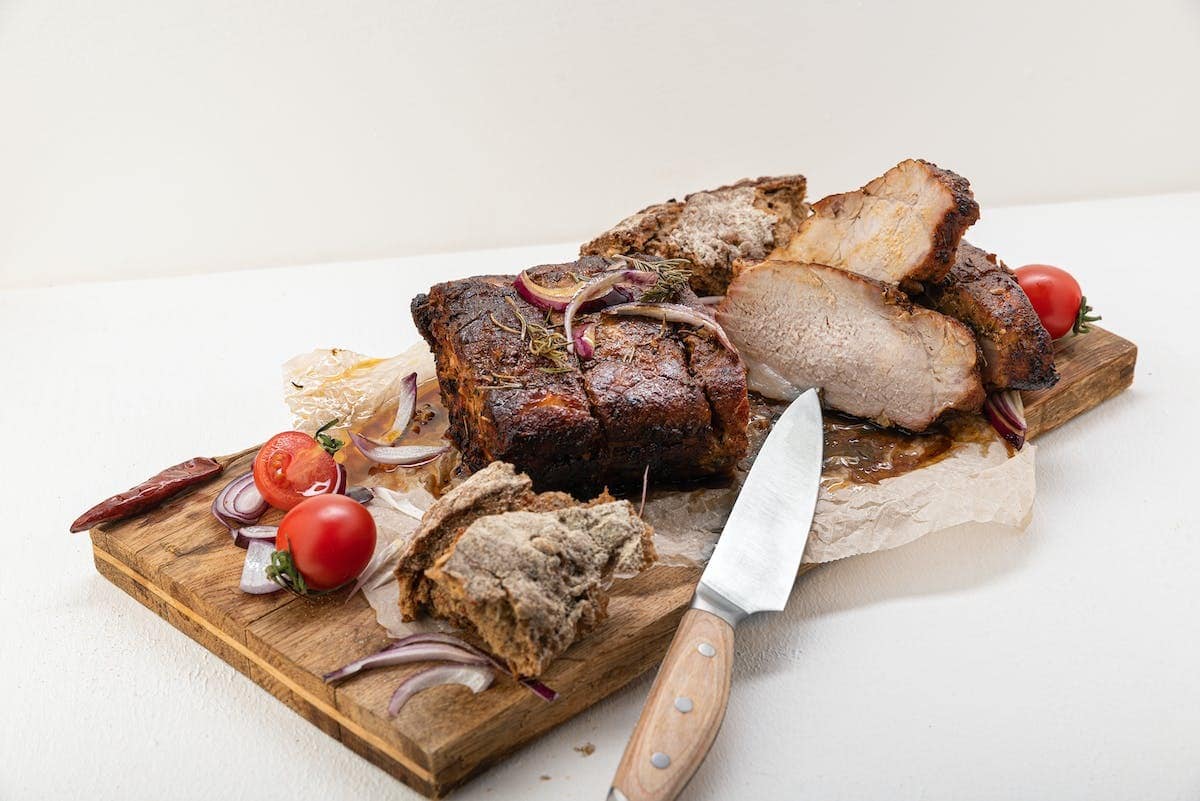
Meat Reheating Methods: Which One to Choose
There are several methods for effectively reheating already cooked meat. Each has its advantages and characteristics, so you just need to choose the one that best suits your situation.
The first method is oven reheating. This classic technique allows for gentle and even cooking of your roast. Preheat your oven to a low temperature, usually around 150°C. Carefully wrap your piece of meat in aluminum foil to retain all its moisture during cooking. Then place it on an oven-safe rack to prevent it from sitting in its own juices. Heat for about 15-20 minutes per pound (450 grams) of meat. Use a food thermometer to check that the internal temperature reaches at least 60°C, the minimum recommended to eliminate any bacterial risk.
Another alternative is to use a double boiler. Fill a pot with hot water and gently place your roast, wrapped tightly in plastic wrap or a heat-resistant freezer bag, into it. Main point: the water should not touch the meat directly to avoid diluting the concentrated flavors from when it was initially cooked.
Cover with a suitable lid and heat over medium-low until the internal temperature reaches 60°C. This slower and more consistent method preserves the juiciness of your meat.
If you’re in a hurry, pan reheating is a quick and convenient option. Heat a non-stick skillet over medium-low heat, add a bit of oil or butter to prevent the meat from sticking. Gently place your roast in the skillet and let it heat for about 5 minutes on each side until it also reaches 60°C internally.
If you want to reheat a small amount of already cooked meat, like thin slices, opt for the microwave. Place your pieces of meat in a suitable microwave-safe container with a tightly fitting lid but slightly ajar to avoid pressure buildup inside. Then set the device to medium power and heat gradually in several short intervals, checking the internal temperature regularly to avoid an undesirable rubbery or dry texture.
No matter the method chosen, you should only cut your piece of meat after it has been completely reheated; this will allow the flavorful juices to redistribute evenly before serving.
Also, remember to use clean utensils when transferring to the final dish, as well as clean hands to avoid any cross-contamination.
Reheating already cooked meat can be successfully accomplished using different methods. Choose the one that best fits your needs and be sure to follow specific guidelines to achieve a tasty, tender, and perfectly heated result.
Tips for Preserving Texture and Flavor of Reheated Meat
When reheating already cooked meat, consider taking a few precautions to preserve its juicy texture and delicate flavor. Here are some tips to keep in mind:
Use a food thermometer: To avoid any risk of overcooking or undercooking, it is recommended to use a food thermometer to check the internal temperature of your meat. This precise measurement will help you achieve the right balance between food safety and preserving taste qualities.
Wrap your meat tightly: Whether with aluminum foil, plastic wrap, or a heat-resistant freezer bag, make sure your piece of meat is properly wrapped before reheating. This will help retain moisture and prevent excessive loss of flavorful juices.
Avoid excess heat: A gentle and gradual heating is ideal for maintaining the tenderness and moisture of your already cooked meat. Avoid excessively high temperatures that risk drying out your pieces quickly.
Add a little extra moisture: If you notice that your meat is gradually losing moisture during reheating, you can add a small amount of liquid (like broth or marinade) to maintain its juiciness. However, be careful not to add too much, as it may dilute the flavors.
Let it rest before cutting: Once your meat is reheated to perfection, it is recommended to let it rest for a few minutes before proceeding to cut it.
Health Precautions to Take When Reheating Meat
Beyond preserving the taste qualities of your meat, it is crucial to take precautions to avoid any health risks. Here are some essential measures to follow:
Follow hygiene rules: Before reheating your already cooked meat, make sure to wash your hands thoroughly with soap for at least 20 seconds. Also, clean all surfaces and utensils used to handle the meat.
Avoid cross-contamination: Be mindful of the different types of food you are handling when reheating your already cooked meat. Use specific cutting boards for each food type and do not mix utensils.
Refrigerate quickly: If you have leftovers after reheating your meat, make sure to store them in the refrigerator in an airtight container as soon as they have cooled slightly. This measure limits bacterial growth and prolongs their shelf life.
Check the expiration date: Ensure that the meat you wish to reheat has not passed its expiration date indicated on the original packaging or by the producer.
Pairing Reheated Meat: Tasty Tips
Now that you know how to effectively reheat your already cooked meat, it’s time to talk about the side dishes that will enhance all the flavors of this delicious dish. Here are some ideas to elevate your meal:
Seasonal vegetables: Choose fresh and colorful vegetables to bring a touch of freshness to your plate. You can prepare them simply by sautéing in a bit of olive oil or steaming them to retain all their vitamins.
A homemade mash: Nothing beats a good homemade mash to accompany reheated meat. Choose your potatoes carefully and mash them finely before adding butter, warm milk, and a few spices to your taste.
A flavorful sauce: To give more flavor to your reheated meat, don’t hesitate to accompany it with a homemade sauce. Whether it’s a pepper sauce, mushroom sauce, or red wine sauce, it will add an extra dimension to your dish.
Fresh herbs: Generously sprinkle your reheated meat with fresh herbs like parsley, cilantro, or thyme to enhance its natural aromas.
A good wine: To complement this tasty meal, choose a wine that pairs well with the meat you have reheated. Full-bodied red wines generally pair well with meats, but feel free to ask a sommelier for advice on finding the best match.
By following these tips, you will ensure that your reheated meat shines and delights your guests. Remember that presentation is also important, so take the time to plate your dishes carefully.
Successfully Reheating Already Cooked Meat: Our Recommendations
Reheating already cooked meat may seem like a challenge, but with the right tips and precautions, it can be done successfully. You must ensure that the meat does not lose its tenderness and juices during the reheating process.
It is recommended to use gentle methods like low-temperature oven or double boiler to prevent the meat from becoming dry. These techniques help retain all the flavor and creaminess of the meat while reheating it evenly.
Care should be taken to properly wrap the meat tightly before placing it in the refrigerator to avoid any bacterial contamination. Also, be sure to follow the recommended storage times to avoid any health risks.
Avoid reheating already cooked meat too much as this can lead to overcooking and make your dish dry and rubbery.
Don’t forget that the side dish plays a key role in the overall taste experience. Choose fresh and colorful vegetables as well as a homemade mash or a flavorful sauce that will enhance your reheated dish.