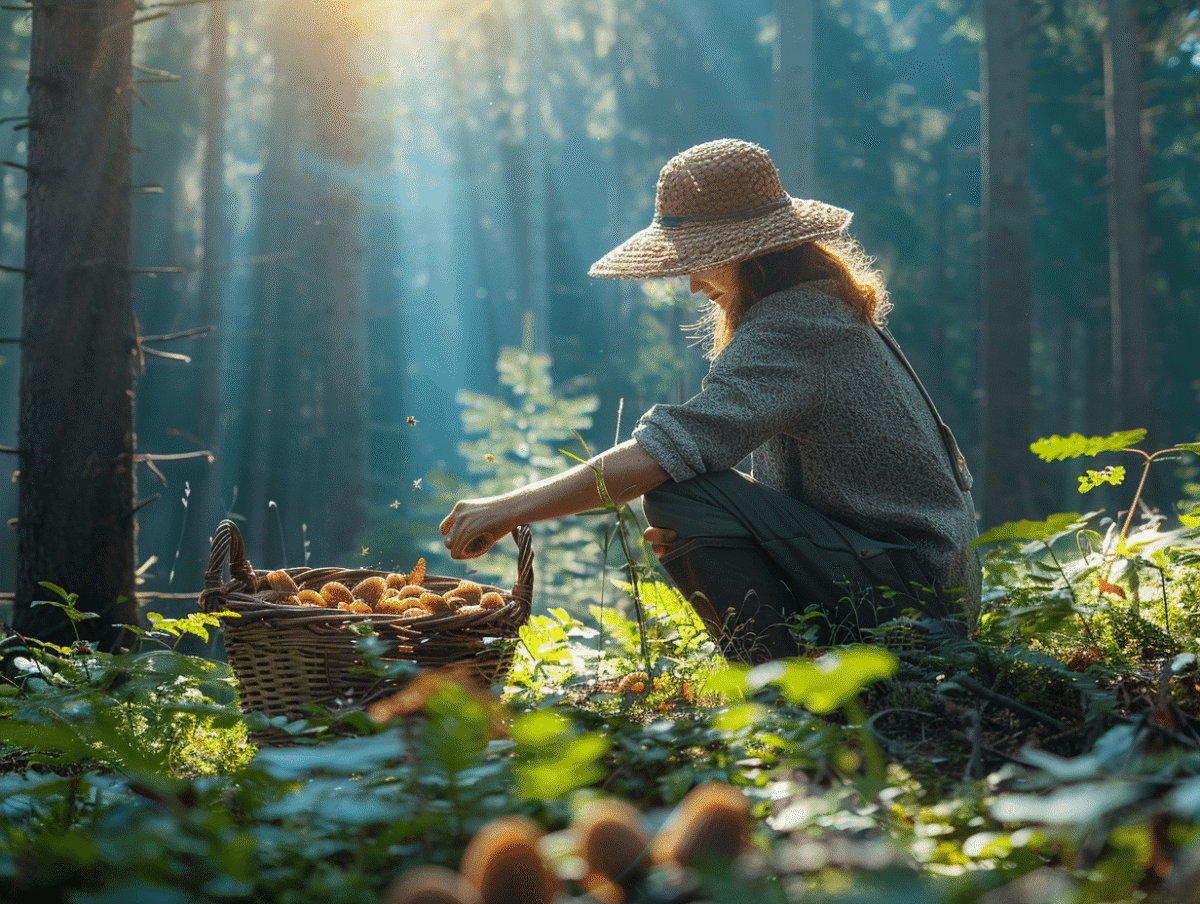
Spring brings with it the season of morels, mushrooms prized by culinary enthusiasts and seasoned foragers. The quest for morels resembles a true treasure hunt, requiring knowledge, patience, and respect for nature. These mushrooms, with their unique shapes and flavors, grow under specific conditions and in chosen terrains, often after wildfires or in damp wooded areas. Mastering the art of morel foraging can transform a simple walk in the woods into a promising culinary adventure, while highlighting the importance of sustainability and the conservation of forest ecosystems.
Strategies and Environments Favorable for Morel Foraging
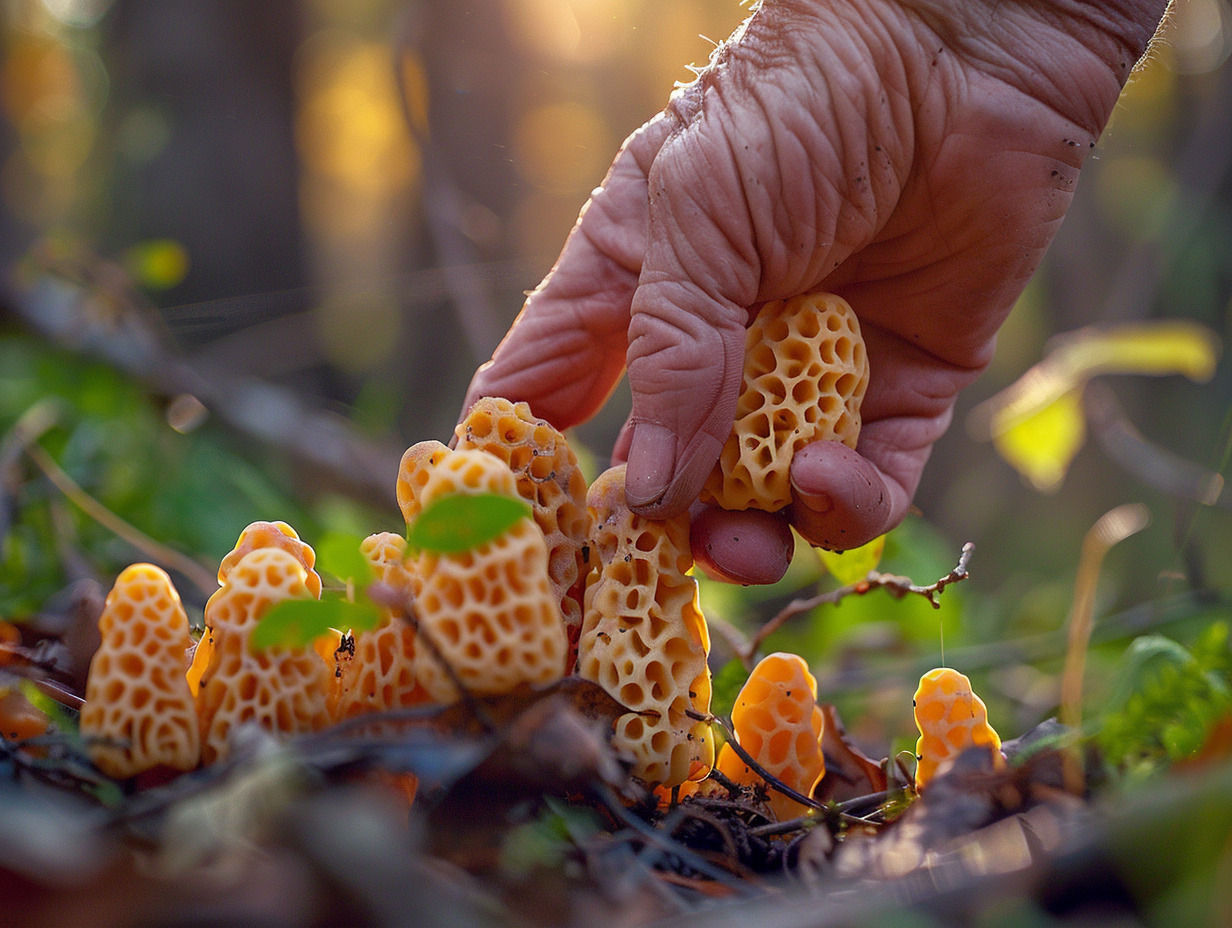
Morels, a mushroom appreciated for its unique taste, require specific conditions to grow. Mycology enthusiasts and gourmets are well aware of the spring foraging season for this treasure of the underbrush. The success of this endeavor partly lies in the knowledge of search and foraging techniques and safety measures to avoid confusion with toxic species. Tips from experts can prove decisive in distinguishing true morels from dangerous look-alikes.
The terrain plays a major role in the proliferation of morels. These mushrooms favor certain types of soil and often associate with companion trees such as ash or elm. It is also recognized that morels thrive in recently disturbed soils, such as those found in areas that have experienced a wildfire. Mycology enthusiasts therefore scrutinize potential morel sites, guided by indicators such as the presence of certain associated plants. These biological clues are signals for savvy foragers.
Climate variations also influence the growth of morels. The thermal shock, or a rapid change in temperature, is often a precursor to the appearance of morels. Periods of rain followed by sunny days create an ideal environment for the growth of these mushrooms. Consequently, knowledge of lunar phases and climate evolution are major elements. Armed with this information, foragers can apply the ‘5 tips for finding morels’ and thus optimize their harvest while respecting the ecosystems that host them.
Conservation and Preparation of Morels After Harvest
After collection, the question of conserving morels arises acutely. These delicate mushrooms, whose flavor is sought after by gourmets, require suitable preservation methods to maintain their taste quality. Fresh morels can be stored in the refrigerator for a limited time, ideally in an airy container to avoid condensation. For longer-term storage, drying is an effective technique, preserving the aroma and texture of the morels. Dried morels can then be stored for many months in a cool, dry place, away from light.
Cooking morels requires special attention due to their toxicity when raw. Careful cooking is essential to eliminate harmful compounds. Morels must be fully cooked before consumption, whether sautéed, simmered in sauce, or incorporated into more elaborate recipes. The richness of their flavor reveals itself fully in reheated dishes, as the heat enhances their distinctive aroma.
The preparation of morels begins with meticulous cleaning. Like any wild foraging, morels may harbor dirt residues or unwanted organisms. Rinsing under a stream of water and gentle brushing is recommended. Some experts also suggest briefly soaking them in salted water to dislodge impurities. This preliminary step is fundamental to ensure not only food safety but also the unparalleled gustatory pleasure that these mushrooms offer to the most discerning palates.