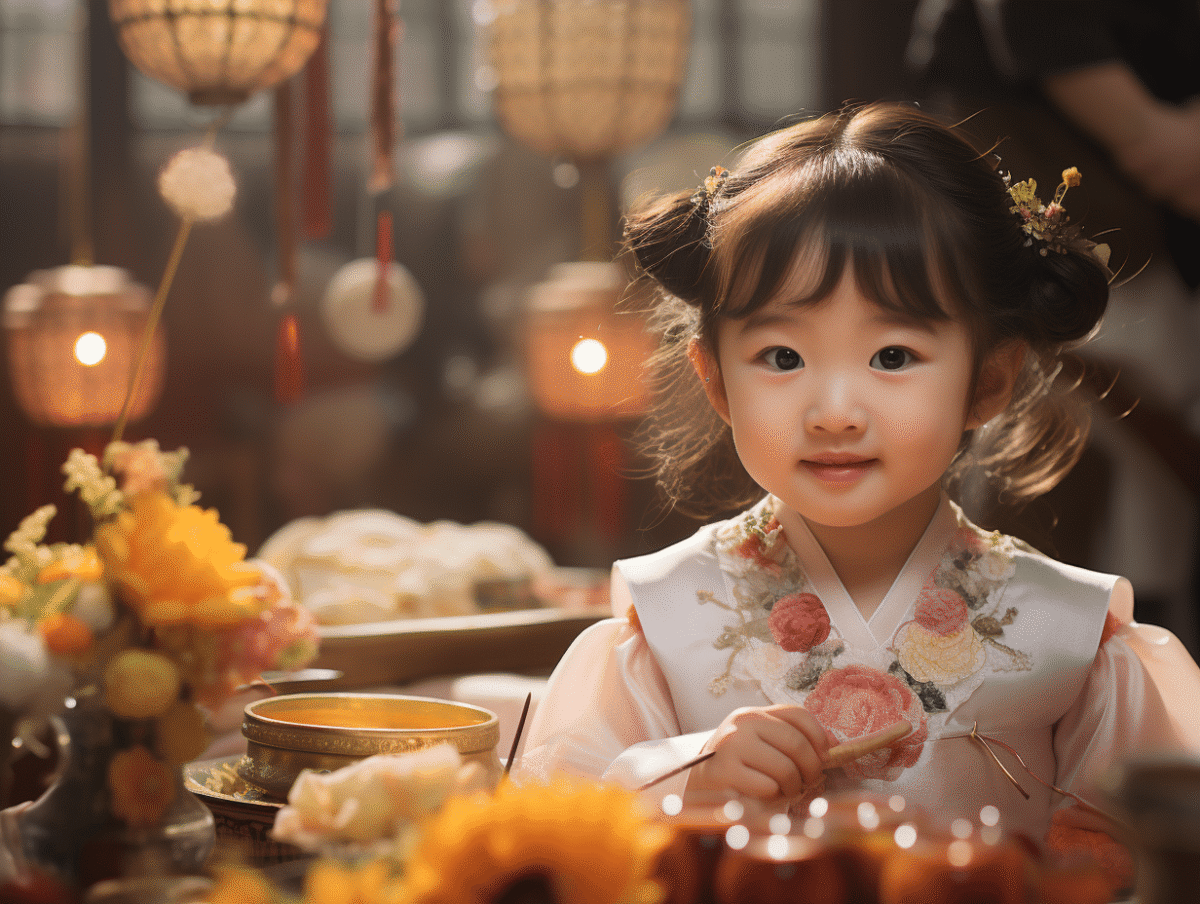
The celebration rituals surrounding the arrival of a newborn are as varied as the cultures that practice them. From ‘Aqiqah in Islamic traditions, where sheep are sacrificed to honor the child, to lavish birthday parties in America, each culture has its own customs for welcoming the youngest members of society. In East Asia, the early months of the child are celebrated with gifts of gold jewelry, while some African communities hold communal ceremonies to introduce the child to ancestors. These traditions, passed down from generation to generation, reflect the values, hopes, and wishes of a community for its newborns.
Birth Rituals and Their Cultural Significance
In the intricacies of our societies, birth traditions do not merely announce the arrival of a baby; they express the deepest hopes and values of a family and a community. These customs, imbued with symbolism, are a way to weave the intimate bond between the newcomer and the culture that will embrace them throughout their life. Follow the threads of these traditions, and you will unravel the complexity of their meanings.
When the baby enters the family, birth gifts are offered, often brought by well-meaning visitors. These presents are not mere material objects; they symbolize protection, good fortune, and aspirations for a life full of promise. Amulets, such as knitted red shoes, silver ankle bracelets, or a hand jewelry piece with a blue eye, are talismans charged with watching over the child’s innocence and purity.
In some regions, traditions manifest through specific ceremonies. The Jewish baptism, for example, is not just a religious act; it is an expression of belonging, the recognition of lineage, and the inscription in a long chain of transmission. Birth rituals, whether steeped in spirituality or secular customs, hold a prominent place in the building of the individual within their culture.
Consider the variations of these traditions: they differ by culture but retain a common essence of celebrating life. The knitted red shoes in Brazil, silver ankle bracelets in India, and hand jewelry with a blue eye in Egypt all share the same purpose: to integrate the new member harmoniously into the social fabric while protecting them from the uncertainties of existence from their very first days.

Comparison of Birth Traditions and Their Modern Evolution
In the concert of nations, birth celebrations reflect not only a continuity of ancestral traditions but also an adaptation to contemporary realities. Social sciences identify a metamorphosis of practices: while Brazil persists in the tradition of knitted red shoes for the child’s well-being, Australia favors storybooks to instill cultural narratives and family values from a young age. The global community proves to be a true kaleidoscope of evolving practices, each with its own local color and response to the demands of the modern world.
Red envelopes filled with money, offered in China during birth celebrations, echo the Russian tradition of the silver spoon, two distinct practices united by the same symbol of prosperity and good fortune for the child. In the West, countries like the United Kingdom adopt memory boxes and keepsake sets, capturing the early moments of life to preserve them. These modern practices, reflecting a cultural evolution, mark a shift from supernatural protection to memorial preservation.
In the face of these evolutions, modern birth traditions are framed within a logic of festivity and individualization. Family members and the community celebrate the arrival of the newborn by creating strong personal and social bonds that transcend time. From Latin America to the Middle East, rituals evolve but maintain their essential role: to welcome the child into the celebration of life and integrate them into the network of relationships that will constitute their world.