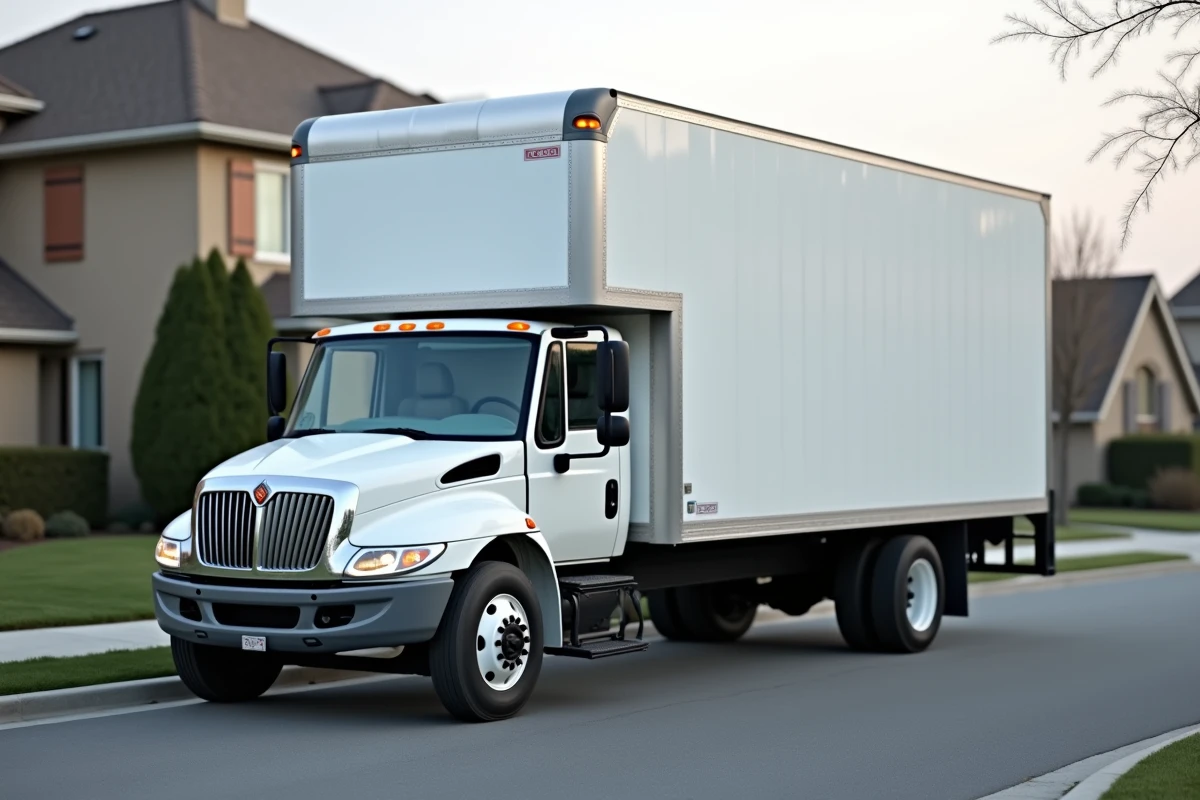
A 10 m3 truck is the vehicle that most individuals encounter on their moving day. It fits in a standard parking space, can be driven with a regular B license, and allows you to empty a studio or a large T2 in a single trip. Before booking this type of vehicle, it’s best to know precisely what it measures, what it can carry, and the pitfalls to avoid when loading.
B License and GVW: What the 10 m3 Size Implies for the Driver
Have you ever driven a sedan or a small SUV? Transitioning to a 10 m3 van mainly changes the height and rear visibility. The overall length remains comparable to that of a large MPV, making city maneuvers easier.
The key technical point to remember concerns the maximum authorized weight (GVW). For almost all thermal models in this category, it is set at 3.5 tons. This means that the vehicle, once loaded, must not exceed this weight. It is also the upper limit for the B license, so no additional training is required for a standard diesel van.
To fully understand the dimensions of a 10 m3 truck, you need to distinguish between the exterior dimensions (which matter for parking or passing under a canopy) and the interior dimensions of the loading space (which actually determine what you can transport).
On the regulatory side, a noteworthy European development is worth mentioning. Regulation (EU) 2024/1258 allows, under certain conditions, the GVW of zero-emission light commercial vehicles to be increased to 4.25 tons while still being drivable with a B license accompanied by training. In practical terms, a 10 m3 electric vehicle can offer a higher payload than its diesel equivalent without changing license categories.
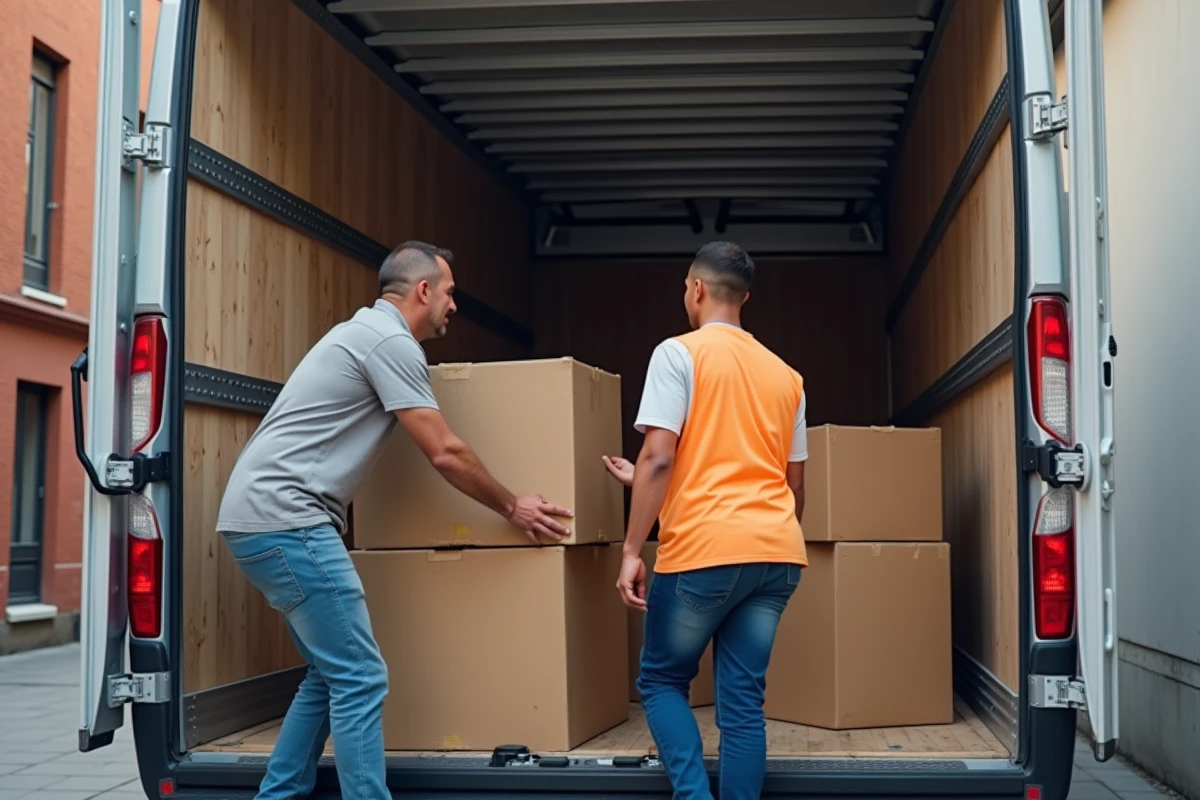
Exterior and Interior Dimensions of a 10 m3 Van
The dimensions vary slightly from one manufacturer to another, but the 10 m3 category remains consistent. The loading space forms a rectangular prism, and the proportions are similar across Renault, Citroën, Peugeot, or Ford.
Dimensions That Matter for Parking
The overall length of a 10 m3 van rarely exceeds that of a large family vehicle. The total height is the main trap: it prevents you from passing under certain underground parking or low gates. Before hitting the road, check the height listed on the vehicle’s specifications and compare it to the height restrictions at your loading and unloading locations.
Usable Space Inside
The advertised volume (10 m3) corresponds to the geometric volume of the loading area. In practice, you will never fully utilize this volume, as furniture does not fit together perfectly. Expect about 80% of the actual usable volume with a well-organized load.
The interior width between the wheel arches is the limiting factor for wide furniture. A three-seater sofa often barely fits, while a two-seater sofa goes in without difficulty. The interior height allows for standing a wardrobe in most cases.
Payload of the 10 m3 Truck: Volume Does Not Mean Weight
Here’s a point that many renters discover too late. The loading volume (10 m3) and the payload (in kilograms) are two distinct constraints. You can fill the van completely in volume while staying under the weight limit, or reach the maximum weight with a half-empty van.
The payload corresponds to the GVW minus the empty weight of the vehicle. For a 10 m3 diesel van, it generally hovers around one to one and a half tons. For an electric model, the weight of the batteries reduces this margin, but the aforementioned European regulation partially compensates for this deficit.
Always monitor weight before volume when loading dense items: books, appliances, tools, boxes of dishes. A few dozen boxes of books are enough to reach the weight limit without occupying half the space.
What Can Be Transported in a 10 m3 Van
This size is suitable for the contents of a studio to a large T2 apartment. Here’s a concrete list of what typically fits in a single trip:
- A double bed (disassembled), a two-seater sofa, a table with chairs, and a small TV unit
- A refrigerator, a washing machine, and an oven, provided they are secured vertically against the walls
- About twenty standard moving boxes, stacked to the available height
Beyond this volume of furniture, you move into the 12 m3 or 20 m3 category. For a furnished T3, a single trip in a 10 m3 will often not be sufficient.
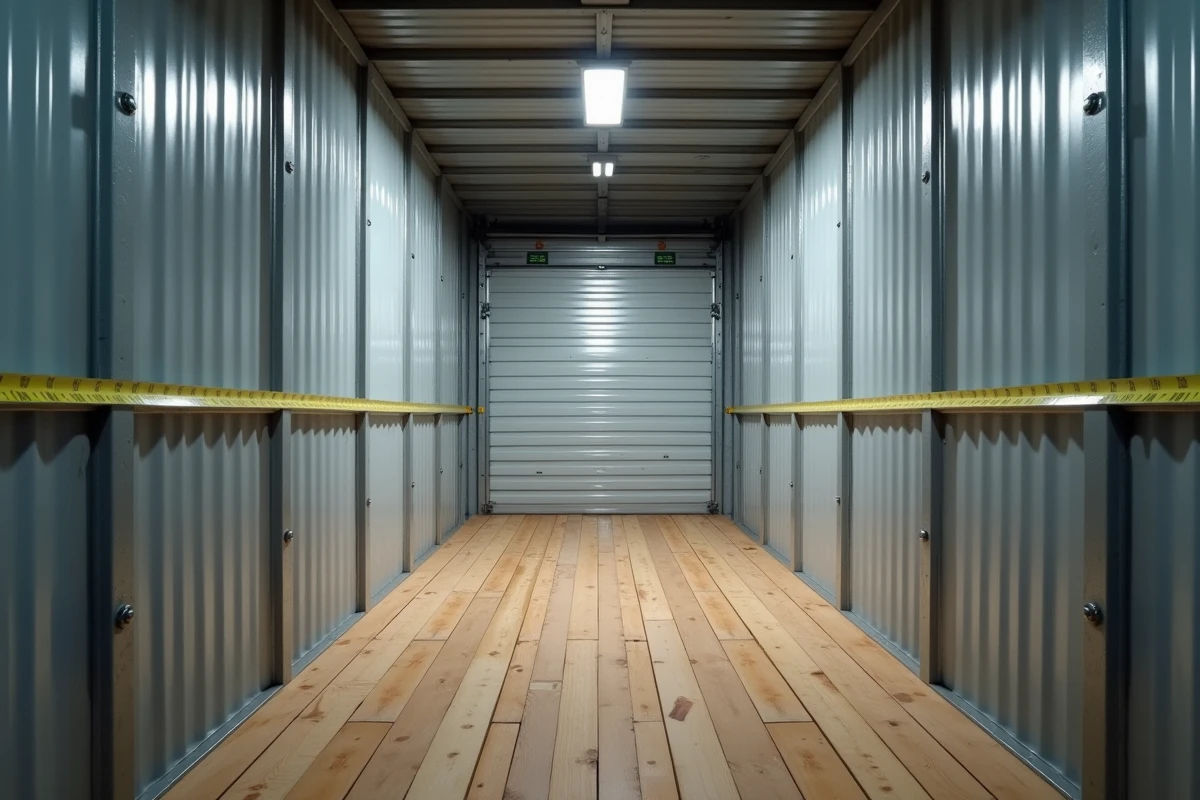
Loading the 10 m3 Truck: Order and Weight Distribution
Filling a van is not something to improvise. Poor loading makes driving dangerous (the vehicle sways in turns) and damages your belongings.
- Place the heaviest items on the floor, as close as possible to the rear axle, to stabilize the center of gravity
- Secure appliances upright against the wall, held in place by straps or blankets
- Fill the empty spaces between furniture with soft boxes or bags to prevent any movement during transit
- Keep fragile items for last: they go on top of the pile, never underneath
The tie-down straps provided with the vehicle are not an optional accessory. Use them systematically. An unsecured refrigerator becomes a projectile at the first sudden stop.
Diesel or Electric 10 m3 Truck: The Choice Now Arises
Since 2023-2024, several rental companies like Ucar, Sixt, or Hertz offer electric versions in this category. The models concerned (Ford E-Transit, Renault Master E-Tech, Mercedes eSprinter) have loading dimensions nearly identical to their diesel counterparts.
The stated range remains compatible with an urban move over a day, without intermediate recharging. However, the payload may be reduced by the weight of the batteries, a parameter to check before booking if you are transporting heavy items.
For long-distance moves, diesel remains easier to manage logistically. For a city-to-city trip of a few dozen kilometers, electric works without particular constraints and allows access to low-emission zones without restrictions.
Ultimately, choosing the right utility vehicle boils down to three questions: the size of your residence, the estimated weight of your belongings, and the distance to be traveled. A well-loaded 10 m3 covers most moves for small residences. At the slightest doubt about the amount of furniture, opting for the larger size often costs less than making a second round trip.