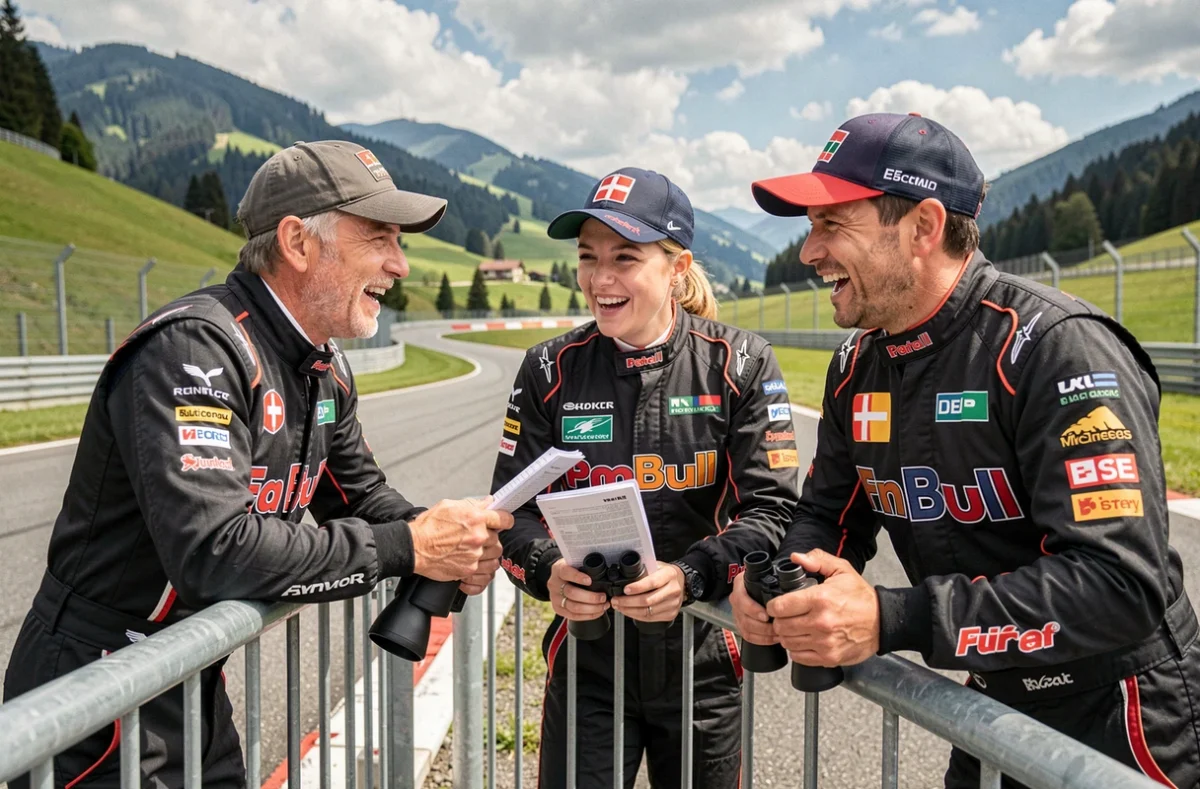
What sets a Valais rally apart from a Bernese hill climb in terms of accessibility, format and spectator restrictions? The Swiss racing season features dozens of events, but they are far from alike. From timed stages on closed roads to hill climbs against the clock and open circuit days, the formats vary enough to transform the spectator experience completely.
Special stages, liaison sections and spectator zones: what changes from one event to another
In a rally such as the Rallye International du Valais, the route alternates between special stages and liaison sections. Special stages take place on roads closed to traffic and are timed to the tenth of a second. Liaison sections, by contrast, use the regular road network, where crews travel at the pace of traffic.
This distinction has a direct impact on spectators. Only the special stages offer a true racing spectacle, but access is controlled through designated zones. Parking, approved viewing points and road closure times vary from one stage to another. The official programme remains the only reliable source for planning your day.
The 2026 Valais calendar includes a show stage in Le Châble, designed to concentrate spectators within a secure area. The organisers place particular emphasis on safety, setting this event apart from hill climbs, where spectators are spread more freely along the course. Fans following the season via racingfans.ch can find these kinds of practical details for each round of the Swiss championship.
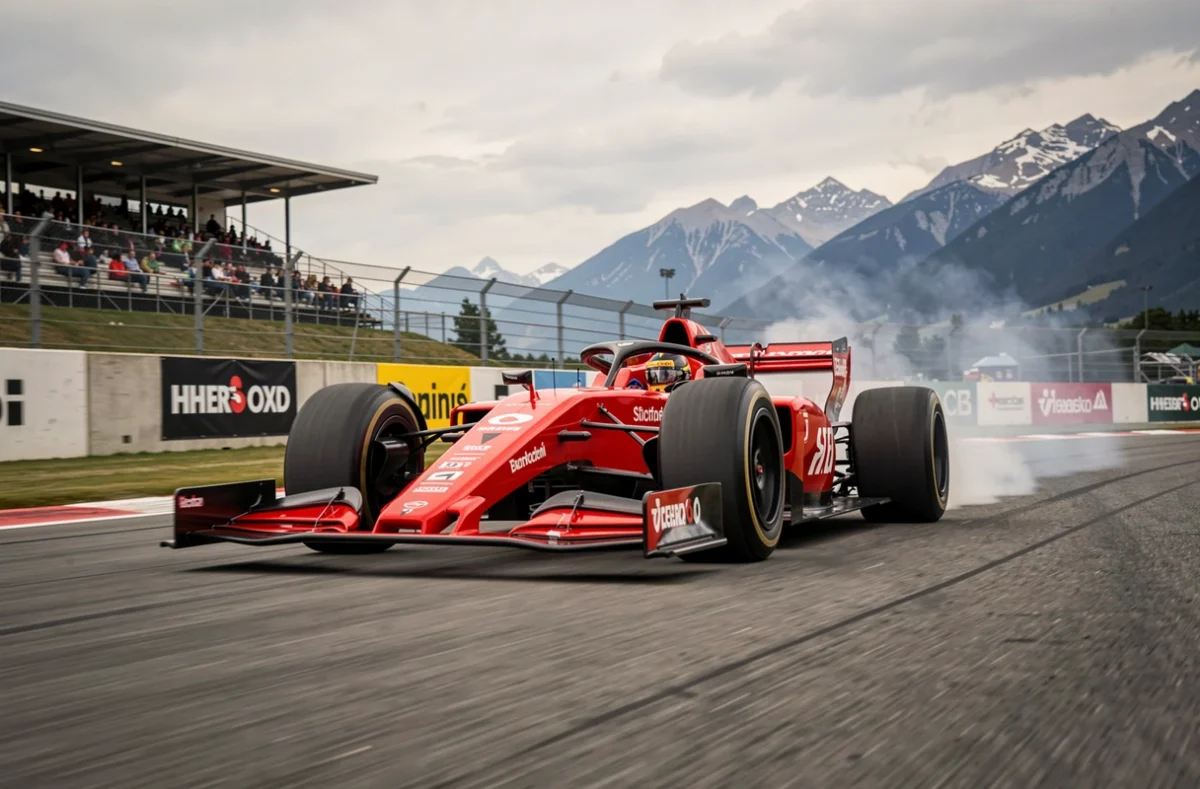
Motorsport formats in Switzerland: a comparison table
Three main categories shape the Swiss calendar. Each has its own rules for spectator access and viewing.
| Format | 2026 example | Roads closed | Marked spectator zones | Free access at roadside |
|---|---|---|---|---|
| Rally (special stages + liaison sections) | Rallye International du Valais | Yes, by section | Yes, mandatory on special stages | No (prohibited outside designated zones) |
| Hill climb | Swiss Hill Climb Championship events | Yes, along the entire course | Varies by event | Often permitted at a safe distance |
| Circuit day / driving experience | Michelin circuit days (nearby European circuits) | Permanent closed circuit | Grandstands / designated areas | Not applicable |
Rallies impose the strictest restrictions: each special stage has its own road closure times. Arriving too late at a spectator zone may mean being denied access. Hill climbs, with their more linear layouts, generally offer more flexibility when choosing a viewing spot along the course, provided safety distances are respected.
Attending a Swiss hill climb: road closures and safety
Hill climbs and rally special stages have one thing in common: they take place on public roads that are temporarily closed. For local residents, this means traffic restrictions that can last for several hours.
The 2026 Rallye du Valais is a good example. The Anzère tourist office lists scheduled starts at 9:00 a.m. and 3:15 p.m. on October 30, 2026, with associated road closures. These times are still subject to confirmation in the event’s official instructions, but they provide a useful reference for planning your journey.
A few tips to keep in mind before heading to a mountain special stage:
- Check the event’s official programme to identify closed roads and exact closure times, which vary from one special stage to another
- Arrive at least an hour before the first car passes to find authorised parking and reach the spectator zone without inconveniencing local residents
- Never park on the shoulders of closed roads or cross safety barriers, even if other spectators do so
- Plan an alternative route: some secondary access roads close before the main roads along the course
The Valais organisers are placing particular emphasis on safety in 2026. The Le Châble show stage brings spectators together in a controlled area, reducing the risks associated with spectators being spread across poorly protected sections.
Swiss rally calendar 2026: cancellations and mid-season changes
A motorsport calendar is never set in stone. The 2026 Swiss rally season saw at least one cancellation, a recurring occurrence that affects both regional events and championship rounds.
The 2027 calendar, already announced, plans a return to six rounds for the Swiss rally championship, with the Gurnigel back on the schedule. This fluctuation from one season to the next shows that the number of events varies each year depending on the organisers’ resources.
For spectators, this means checking dates every time before setting off. An event confirmed at the start of the year may be postponed or cancelled just weeks before it is due to take place. The official Auto Sport Suisse website and local organisers’ websites remain the go-to sources for updates.
Rallye du Valais 2026: regularity competition and live updates
The Rallye International du Valais is about more than speed competition. The 2026 edition includes a fourth regularity competition, a format in which timekeeping precision takes precedence over outright speed. This attracts a different audience: classic car collectors, fans of technical driving and drivers who prefer strategy to pure performance.
Live updates are the other notable new feature. Results and times are available in real time during the event, allowing spectators watching from a single special stage to follow the overall progress of the rally.
The combination of these two elements—regularity competition and live timing—reflects a broader trend in Swiss motorsport: expanding the spectator base beyond speed enthusiasts while giving those attending in person a more complete picture of the event.
The key takeaway from the 2026 season can be summed up in one sentence: attending a race in Switzerland takes as much logistical planning as enthusiasm. Roads closed section by section, changing schedules and possible cancellations—the well-prepared spectator checks the official programme before setting off, not after.