Taking care of your car is an unavoidable necessity. Regular maintenance not only extends the lifespan of your vehicle but also ensures its optimal performance and your safety on the road. This comprehensive guide to car maintenance will provide you with valuable information on the ideal time to perform an oil change, an essential process for the proper functioning of the engine that is often overlooked or misunderstood. That’s why this guide aims to clarify things and help you keep your vehicle in good health.
Oil Change Frequency: According to Vehicle Type
When you own a car, it is crucial to know when to perform regular maintenance to preserve the mechanical health of your vehicle. In particular, regarding the ‘Clio 4 oil change’, various signals can indicate that intervention is necessary.
First, the dashboard is an excellent indicator. The oil warning light may illuminate or blink, signaling that the oil has reached its maximum duration and requires imminent replacement. Therefore, it is important to be vigilant about this visual element to avoid any potential inconvenience related to this situation.
Second, pay attention to the color and consistency of the engine oil. If it starts to darken or thickens significantly, this may be a sign that it is contaminated with harmful impurities that can affect the proper functioning of the engine. Consequently, these changes often signify an urgent need for a Clio 4 oil change.
Moreover, the engine performance can also be revealing: if you notice a significant decrease in its usual output or hear unusual noises coming from the engine compartment while it is running, it is probably because it is severely lacking clean, new oil.
Finally, remember: the longer you use your vehicle without performing the necessary Clio 4 oil change, the greater the risks for your car. High mileage since the last oil change should automatically lead to a thorough inspection of the oil level and quality to assess the immediate necessity (or not) of quickly proceeding with this crucial operation.

Signs of a Necessary Oil Change
When it comes time to perform an oil change on your vehicle, be sure to follow certain key steps to ensure an optimal result. Here are the various steps to undertake:
Make sure you have all the necessary tools. You will need an oil filter wrench, a drain pan, a funnel, and of course, the new engine oil recommended by the manufacturer.
First, lift your car with a jack or on specialized ramps to easily access the oil pan where the drain plug is located.
Now place the pan under the oil pan and gently remove the drain plug. Allow the used oil to completely drain into the container.
While the oil is draining, take the opportunity to remove the old oil filter. Use the special wrench to loosen it counterclockwise.
Once all the used oil has drained and you have removed the old oil filter, carefully clean the drain pan and its surroundings.
It is now time to install the new oil filter. Pre-coat it with a little clean engine oil to ensure a good seal when tightening.
Before replacing the drain plug, ensure that the seal washer is properly in place and intact. This will prevent any potential leaks.
You can now securely screw the plug back in and wipe away any excess oil on the surface of the oil pan.
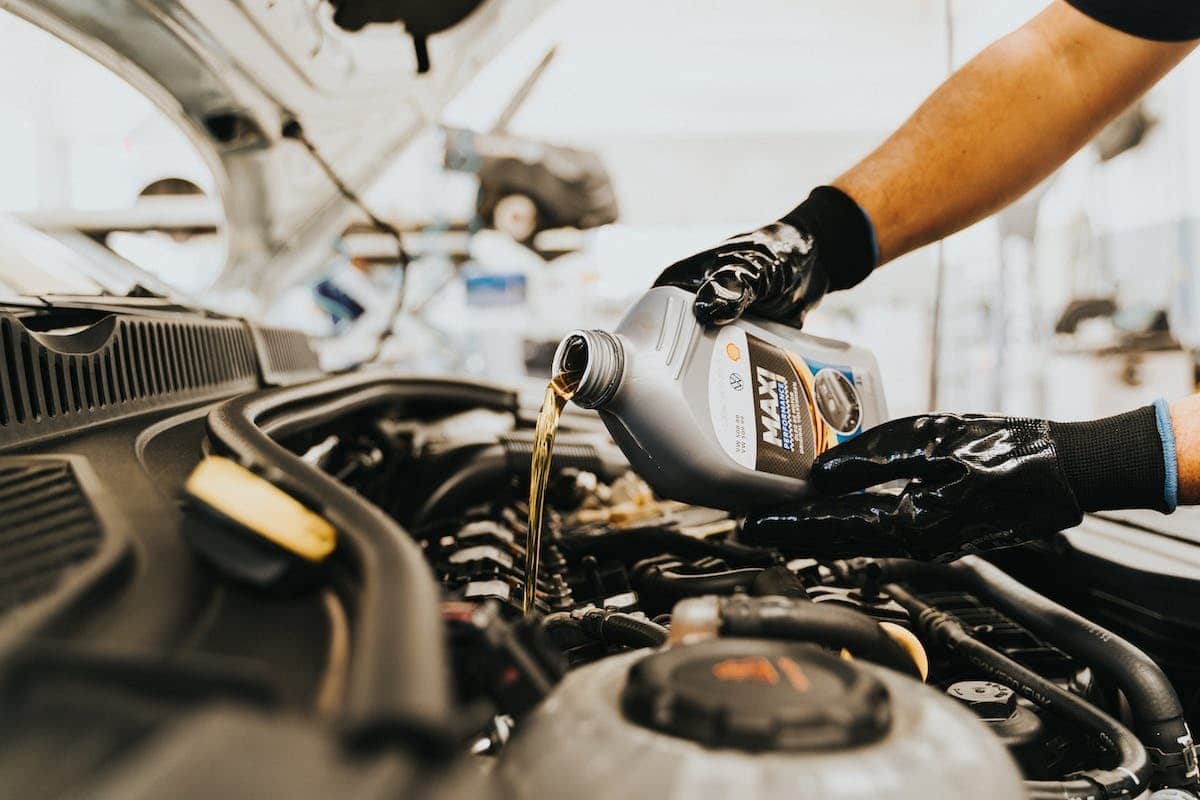
Now let’s move on to filling the engine with the new fresh engine oil. Use the funnel to gently pour the oil into the designated reservoir, following the manufacturer’s specific recommendations regarding the necessary amount.
Once you have finished pouring the oil, carefully check the oil level using the appropriate dipstick, which is generally located near your engine block.
Steps for a Successful Oil Change
After addressing the essential steps of the oil change, it is important to adhere to the precise oil specifications to ensure adequate lubrication and prevent any potential engine damage.
Regular oil changes remain a crucial task in car maintenance. By following the appropriate steps and choosing the right engine oil suited to your car, you can extend the engine’s lifespan while ensuring its proper functioning. Don’t hesitate to seek advice from a professional if you have questions about the ideal oil for your vehicle.
Regular Oil Changes: Healthy Engine
Despite the importance of oil changes, you must eliminate impurities present in the oil. Its regular replacement thus ensures better lubricant quality, avoiding any excessive accumulation of harmful particles that can cause engine damage.
Maintain your car. Be sure to avoid these common mistakes that can compromise its efficiency and even cause irreversible damage. Always follow the manufacturer’s recommendations and remember that preventive maintenance is key to ensuring the long-term proper functioning of your vehicle.
Errors to Avoid When Changing Oil
In the complete article on regular car maintenance, we now address the essential question of when to perform an oil change on your vehicle. The ideal frequency for this operation will depend on several factors, such as the type of oil used and the manufacturer’s recommendations.
In the past, it was common to recommend an oil change every 10,000 kilometers traveled or every six months. With the evolution of engines and lubricants, these intervals have been revised downwards for some newer vehicles.
The first step is to carefully consult the owner’s manual. The manufacturer often indicates its own recommendations regarding oil changes specific to each model. This can vary significantly from one vehicle to another.
Generally speaking, however, remember to maintain the optimal performance of the engine as well as to extend its lifespan.
Be sure to take into account certain elements that can influence the frequency of oil changes, such as:
• Weather conditions: in some regions where it is particularly hot or cold, this may require more regular attention.
• Vehicle usage: if you primarily use your car for short urban trips (which involves frequent starting/stopping), your oil change needs will likely be more frequent.
• Driving style: aggressive driving, with sudden accelerations and hard braking, can lead to increased oil wear.