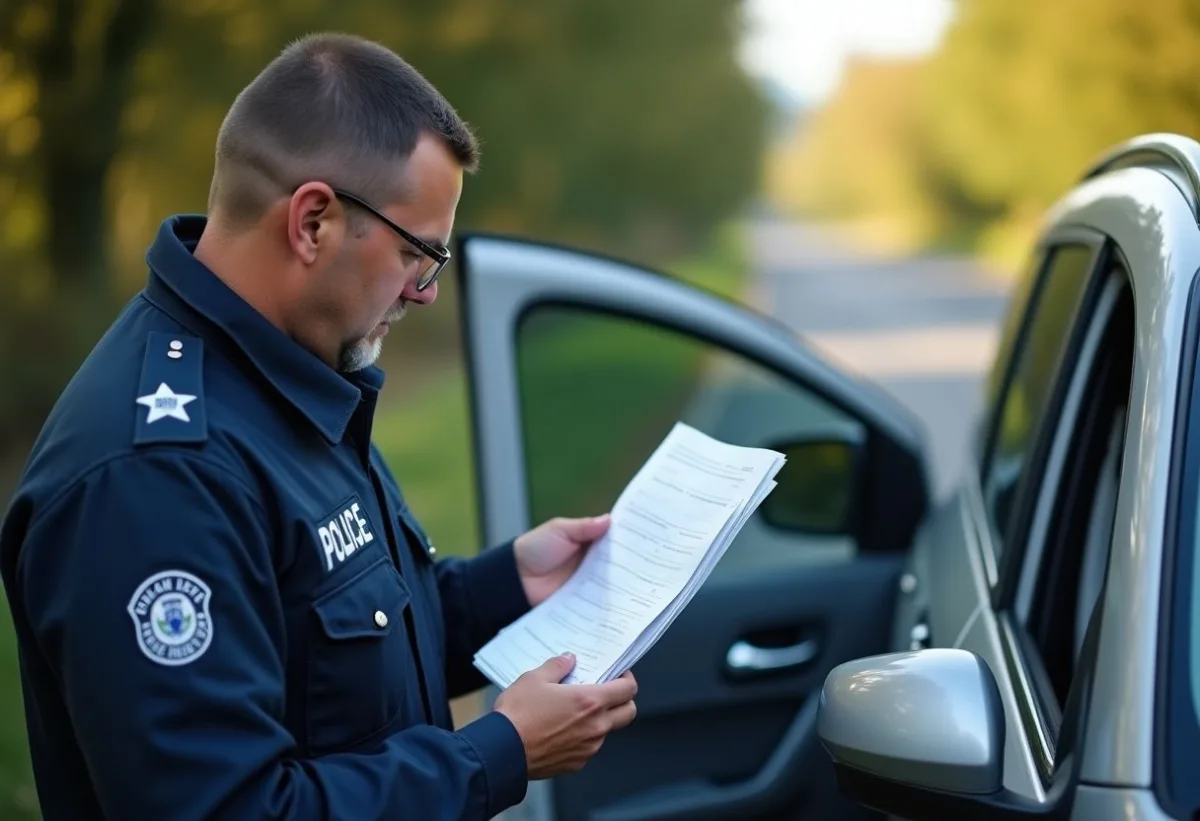
Driving without car insurance in France is not just a violation of the highway code; it is a crime with serious consequences. Between hefty fines, financial risks in case of an accident, and possible legal sanctions, it is better to stay within the law.
Legal obligations regarding car insurance
The legal framework of car insurance
In France, taking out a car insurance policy is mandatory for all motor vehicles. The law requires a minimum liability coverage, commonly referred to as “third-party insurance.” This obligation aims to cover damages that the driver may cause to others in the event of an accident. The File of Insured Vehicles (FVA) is available to law enforcement to quickly check if a vehicle is insured.
The consequences of not having car insurance
Failing to take out a car insurance policy is an offense that can result in a fixed fine of 750 euros. This amount can be reduced to 600 euros if paid promptly, but it can also rise to 1,500 euros in case of delay. Recidivism complicates matters further, potentially leading to additional penalties such as a fine of 3,750 euros or the suspension of the driver’s license.
Financial risks in case of an accident
The fine for driving without insurance
In addition to administrative sanctions, driving without insurance exposes the driver to significant financial risks, especially in the event of an accident. The initial fixed fine of 750 euros is just the tip of the iceberg. Costs can escalate if the accident involves bodily or material damages.
Civil liability and damages caused
Without insurance, the driver responsible for an accident must bear the costs related to damages caused to others alone. This can include expensive repairs, medical expenses, or even compensation for moral damages. Fortunately, the Guarantee Fund for Mandatory Damage Insurance (FGAO) can intervene to compensate victims, but then seeks reimbursement from the at-fault driver for the amounts paid.
Sanctions faced by the driver
Fixed fines and their implications
In the event of a roadside check, the first consequence of driving without insurance is the fixed fine. However, this sanction can be accompanied by other measures such as the confiscation of the vehicle or a community service sentence. The driver may also be required to attend a road safety awareness course.
The points at stake
Although driving without insurance is not directly linked to a points deduction, judicial sanctions can lead to a suspension of the driver’s license. This suspension can last up to three years, seriously impacting the driver’s mobility.
The effects of a roadside check by law enforcement
Verification of insurance certificates
During a roadside check, law enforcement may ask to see your insurance certificate. The file of insured vehicles (FVA) facilitates these verifications, and the failure to present a valid certificate can result in immediate sanctions.
The possibility of vehicle seizure
In some cases, law enforcement may immobilize the offending vehicle. This seizure is a preventive measure aimed at preventing the driver from repeating their uninsured driving.
Possible appeals against a sanction
If you believe you have been wrongly penalized for driving without insurance, it is possible to contest the fine. Valid proof of insurance at the time of the offense is necessary to present your appeal. That said, it is always wiser to prevent than to cure by ensuring that your car insurance is up to date.