Let’s discuss an uncommon yet rapidly growing field in France: avocado cultivation. This exotic fruit, highly valued for its creamy texture and nutritional benefits, is finding its place in the gardens of the Hexagon. Climate conditions, variety selection, planting and maintenance techniques are all parameters to consider for successfully undertaking this venture. It is a booming sector that piques the interest of the curious and the passionate. Let’s navigate together to the heart of this agricultural adventure to discover the secrets of avocado cultivation in France.
Avocado in France: Origins and Cultivation
Among the gastronomic treasures that France offers, avocado cultivation holds a special place. The different varieties grown in the territory demonstrate the richness of this ‘avocado culture in France’.
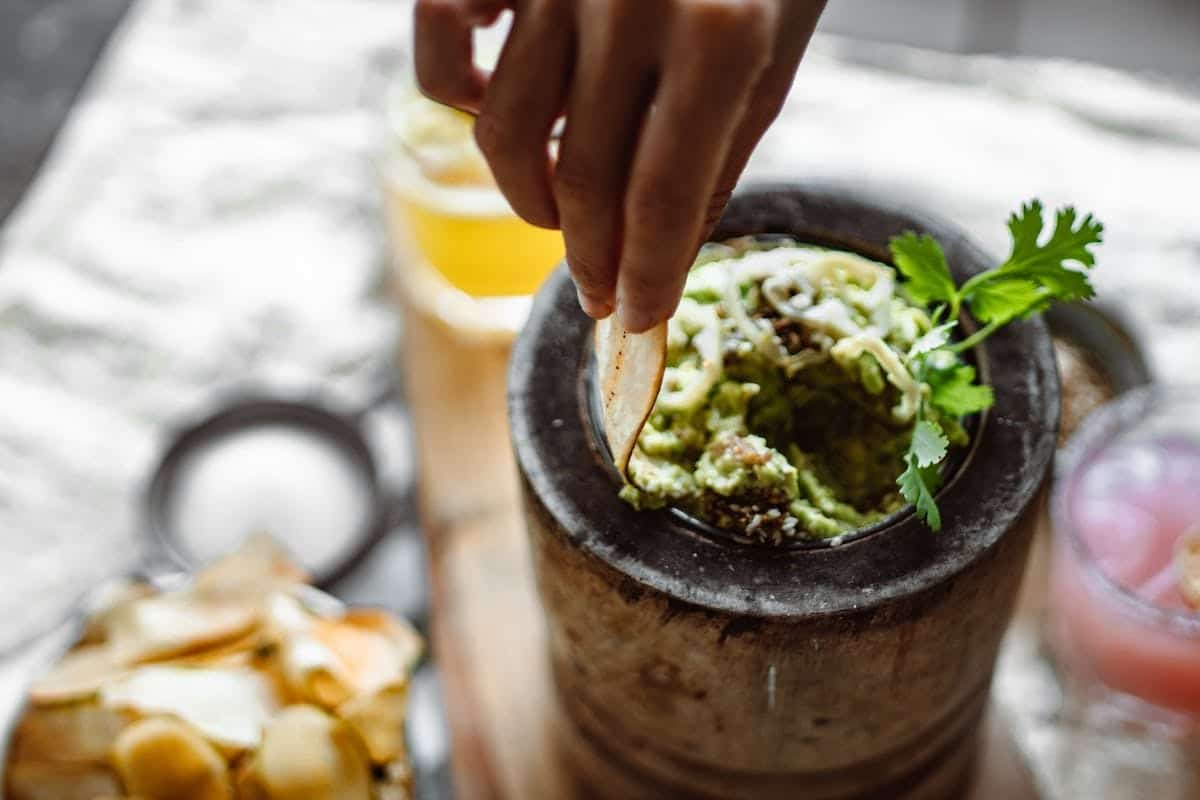
The Hass is undoubtedly one of the most famous, recognizable by its rough skin and slightly nutty flavor. It can be enjoyed in guacamole, in salads, or even in smoothies. Its versatility partly explains its undeniable success among French consumers.
There is also the Fuerte, with its creamy green flesh and subtle aroma that delights at first forkful. This variety originates from Mexico but acclimatizes perfectly to the climatic specifics of France.
Less known but equally appreciated, the Reed is one of those green gems offered by avocado culture in France. With its impressive size and irresistible sweet-bitter flavor, it leaves no one indifferent.
Beyond the classic species mentioned above, there are also some rarities directly from our agricultural heritage such as the Pinkerton or the Lamb Hass, which add an exotic touch to our plates.
The varietal diversity available in France attests to the dynamism and exceptional know-how of French farmers invested in this promising sector that is avocado cultivation in France. The national culinary landscape is thus enriched by this unique taste palette that constantly invites exploration of new sensory experiences.

Avocado Varieties Grown in the Hexagon
For avocado cultivation to thrive in France, specific climatic and geographical conditions are necessary. The avocado tree originates from tropical regions, where it benefits from a warm and humid climate. Some parts of French territory offer favorable characteristics for its growth.
The south of France is renowned for its generous sunshine and high summer temperatures. These conditions allow avocado trees to fully flourish, as they require a significant amount of light for optimal development.
A well-drained soil is essential for the successful cultivation of avocados. The sensitive roots of the tree do not tolerate excessively wet soils or those that compact easily. Regions with good natural drainage or those where proper soil preparation has been carried out are ideal for growing this exotic fruit tree.
The proximity of a reliable water source is crucial in the cultivation of avocados in France. This plant requires a regular supply of water throughout its life to ensure abundant production and optimal fruit quality.
Altitude can also influence the success of this cultivation: areas located between 200 and 800 meters are often considered the most conducive to avocado growth due to the moderate seasonal variations they offer.
The presence of a favorable microclimate can play a decisive role in the success of avocado cultivation in France. Some valleys or areas protected from cold and violent winds allow avocado trees to thrive even in regions where general climatic conditions might seem less favorable.
Although France is not naturally suited for avocado cultivation, certain parts of the country offer ideal conditions for its growth. Passionate farmers embarking on this adventure must carefully choose the site where they will plant their orchards to optimize their chances of success. The combination of good sun exposure, well-drained and fertile soil, as well as an adequate water source are all crucial factors to consider for successfully cultivating this exotic fruit tree in French territory.
Climate and Geography: The Perfect Conditions for Avocado
The cultivation of avocados in France requires particular attention at every stage, from planting to harvesting. Here are the key phases for successfully managing this demanding crop.
Variety selection: Before embarking on planting an avocado tree, it is essential to choose varieties suited to local climatic conditions. In France, certain varieties such as Hass, Fuerte, or Pinkerton have proven themselves. It is recommended to acquire plants from specialized nurseries to ensure their quality and resilience.
Soil preparation: Well-prepared soil promotes the proper development of roots and ensures optimal growth of the avocado tree. The soil should be enriched with organic fertilizers rich in nutrients and adequately tilled before planting.
Planting: The ideal time to plant an avocado tree in France is in spring when the risk of frost has passed. Dig a hole deep enough to accommodate the roots without twisting or damaging them. Place the seedling in the hole ensuring that the collar is level with the soil, then fill in with potting soil mixed with compost.
Regular watering: Young plants require special attention regarding water supply during their initial growth phase. Water them regularly throughout the warm season to maintain an adequate moisture level for their development.
Maintenance: Regular pruning is essential to promote the formation of a strong and balanced structure of the avocado tree.
From Planting to Harvest: The Steps of Avocado Cultivation
The cultivation of avocados in France also faces several challenges and issues. Here are some that deserve our attention.
The climate: Avocado cultivation requires a subtropical to tropical climate with mild temperatures year-round. Unfortunately, some French regions do not meet these criteria. This limits the geographical areas where it is possible to successfully cultivate avocados in France.
The sensitivity to diseases and pests: Avocado trees are susceptible to various diseases such as root rot, leaf spot, or powdery mildew. They can be attacked by pests such as leaf miners or light green oak aphids. It is therefore necessary to be vigilant and implement preventive measures to avoid these problems.
The maturation time: Avocados generally take several years before producing their first fruits. This period can vary depending on the chosen varieties and environmental conditions. Therefore, patience is required, and time must be invested before being able to harvest one’s own avocados.
The international competition: Avocado production is dominated by certain countries like Mexico or Peru, which benefit from favorable climates year-round. These countries flood the international market with their products at lower costs, making it difficult for French producers to compete.
The growing demand: The popularity of avocados continues to rise in France. Consumers are fond of this fruit with multiple health benefits. This strong demand places additional pressure on producers who must meet these expectations without compromising quality and environmental respect.
Despite the challenges and issues related to avocado cultivation in France, some passionate farmers manage to succeed in this delicate endeavor. Thanks to their expertise and rigorous monitoring of the key production stages, they manage to offer delicious local avocados while preserving natural resources. It is essential to continue supporting these initiatives to encourage the sustainable development of the French avocado sector and thus fully enjoy the benefits of this highly appreciated exotic fruit.
The Challenges of Avocado Cultivation in France
The cultivation of avocados in France also presents undeniable advantages and benefits. First, it helps to reduce dependence on massive imports of avocados from other countries, which contributes to strengthening the food autonomy of the country.
By cultivating avocados locally, French farmers can offer a fresh and quality product to consumers. Avocados sold on the local market are often riper and tastier than those that have traveled thousands of kilometers to reach our plates.
The cultivation of avocados in France promotes the economic development of the regions where it is practiced. It creates direct and indirect jobs throughout the production chain: from planting to marketing. This agricultural activity can be an opportunity for young farmers looking to diversify or settle in these regions.
From an environmental perspective, cultivating avocados locally helps to reduce the carbon footprint associated with international transport. Indeed, each year a significant amount of CO2 emissions is generated by the planes or ships used to import avocados produced outside French territory.
It should be noted that the avocado is a fruit rich in essential nutrients such as monounsaturated fatty acids (good for the heart) as well as various vitamins (notably vitamin E). It thus provides several health benefits when it is an integral part of a balanced diet.
It is important to note that the cultivation of avocados in France requires careful monitoring and rigorous management to overcome the challenges mentioned earlier. Farmers must be aware of the risks associated with diseases and pests, as well as the often less favorable climatic conditions than in traditional producing countries.
The cultivation of avocados in France presents both economic, environmental, and health benefits. Although it may face certain obstacles inherent to climate or international competition, it still offers an interesting opportunity to diversify French agriculture while responding to a growing demand from health-conscious consumers. Therefore, it is a sector that deserves to be supported and encouraged to contribute to the sustainable development of French territory.
The Advantages of Avocado Cultivation in France
Avocado has become an essential ingredient in many dishes and recipes, but cultivating this exotic fruit tree in France is not without challenges. Indeed, the French climate presents conditions different from those of traditionally avocado-producing regions like Mexico or South Africa.
The first difficulty lies in the choice of varieties suited to the French climate. Avocados are sensitive to cold and require a certain warmth to develop properly. Farmers must carefully select varieties that can adapt to the cooler temperatures of our country. Recommended varieties include ‘Bacon’, ‘Fuerte’, and ‘Hass’.
It is important to consider the flowering period and the pollination of avocado tree flowers. These trees are generally dioecious, meaning there are both male and female trees. To achieve good fruiting, it is necessary to have nearby male trees producing enough pollen to fertilize the female flowers.
Pest control is also a significant challenge in avocado cultivation in France. Specific diseases affecting this crop, such as powdery mildew or scab, can severely impact yields if not effectively controlled. Farmers must consider environmentally friendly alternative methods to protect their crops.
Interestingly, avocado production in France remains relatively limited compared to the growing demand from consumers. This creates an opportunity for French farmers who venture into this cultivation, as they can benefit from a booming local market and thus offer consumers fresh, quality avocados.
Despite these challenges, avocado cultivation in France also presents unique advantages. Specific climatic conditions sometimes allow for avocados with a slightly different taste than those produced in other regions of the world. Cultivating locally significantly reduces the carbon footprint associated with international transport.
Avocado cultivation in France represents a stimulating challenge for farmers but also offers interesting economic opportunities. With careful selection of varieties suited to the French climate and attentive management of potential diseases and pests, it is possible to locally produce this food prized by consumers. With the appropriate support from the government and increased awareness of the environmental benefits associated with local production, avocados could well establish themselves as a promising crop in our country.